



Haller Group | Data-Driven Nonlinear Dynamics


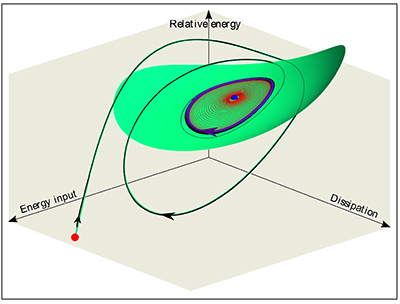
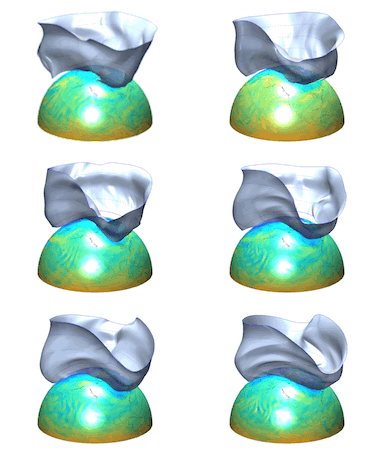
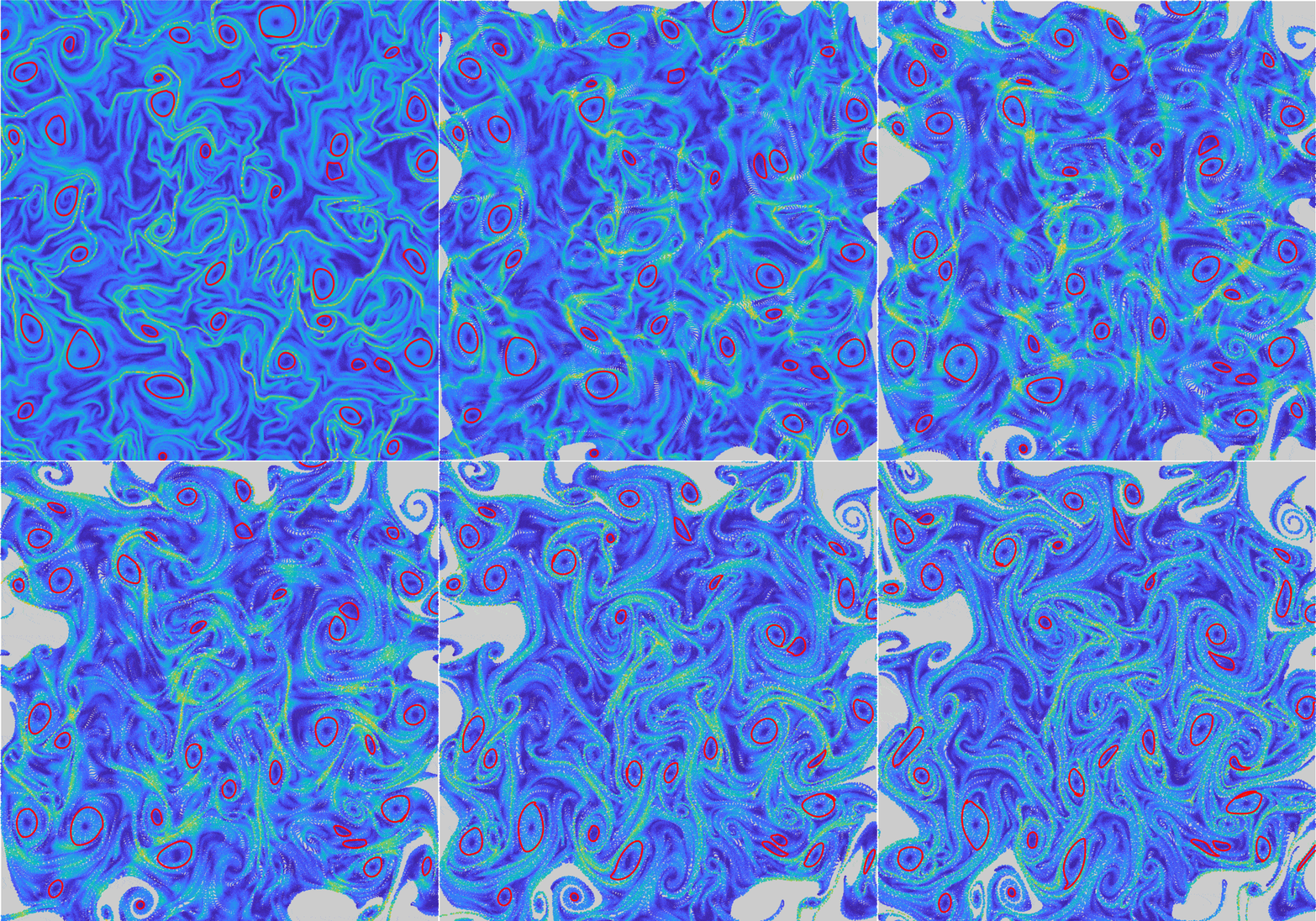
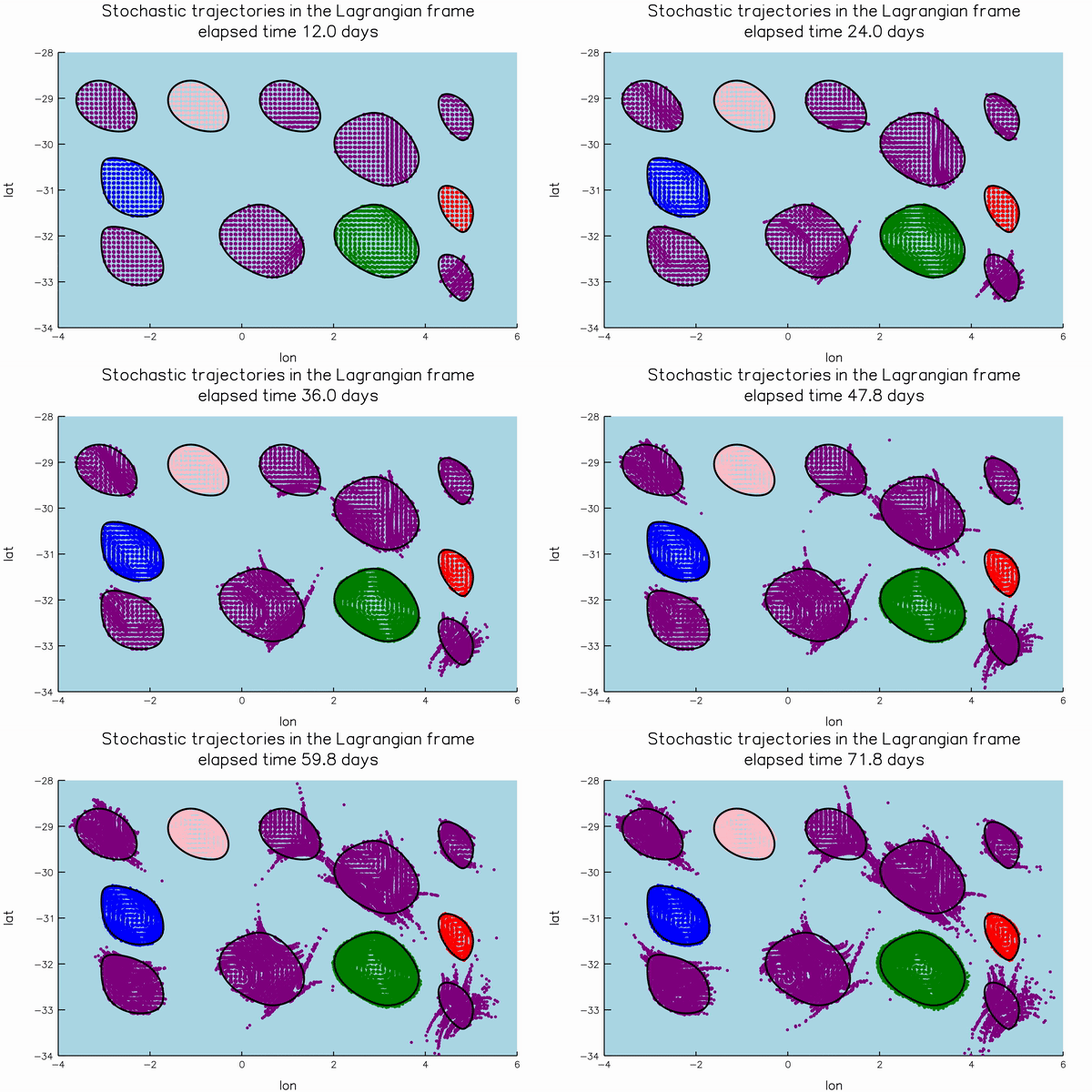
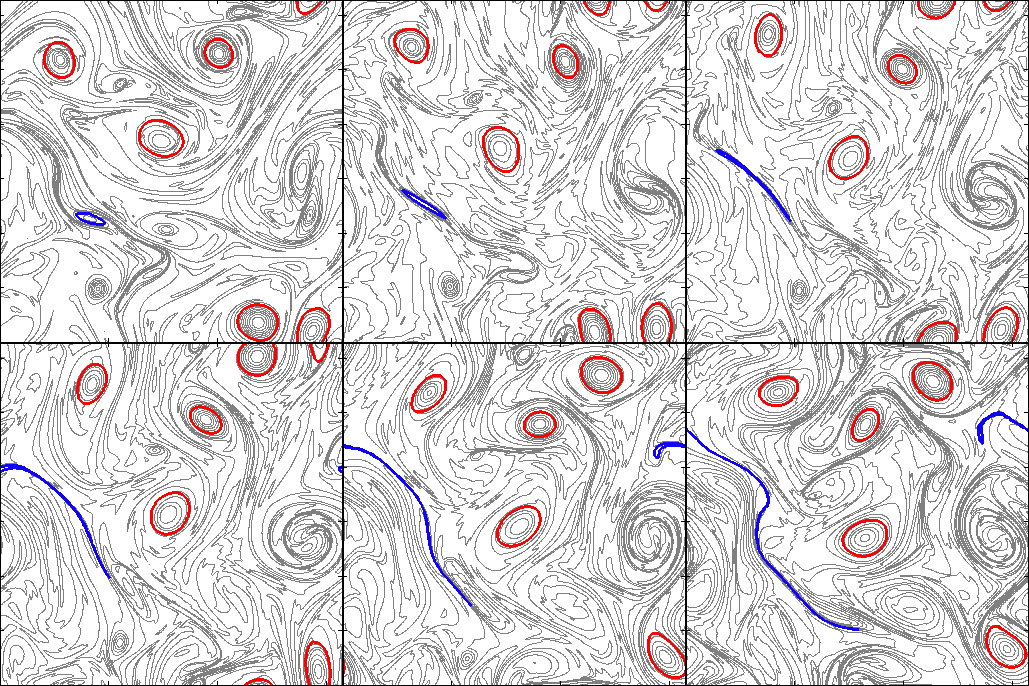
We develop mathematical and numerical methods for identifying, analyzing, controlling and predicting complex, nonlinear dynamical systems in nature and engineering. Our approach combines applied mathematics, dynamical systems theory, data science and numerical methods to produce algorithms directly applicable to experimental and numerical data sets. Areas of current interest include system identificaion and model reduction for nonlinear structural dynamics; reduced modeling and control of soft robots; reduced modeling and control of fluid-structure interactions and transition to turbulence; and the identification of coherent structures in fluids and plasmas.

Latest News
George Haller’s new book on Modeling Nonlinear Dynamics for Equations and Data – with Applications to Solids, Fluids, and Controls (SIAM Press) is now available in both print and e-book format.
[Publisher's Website]

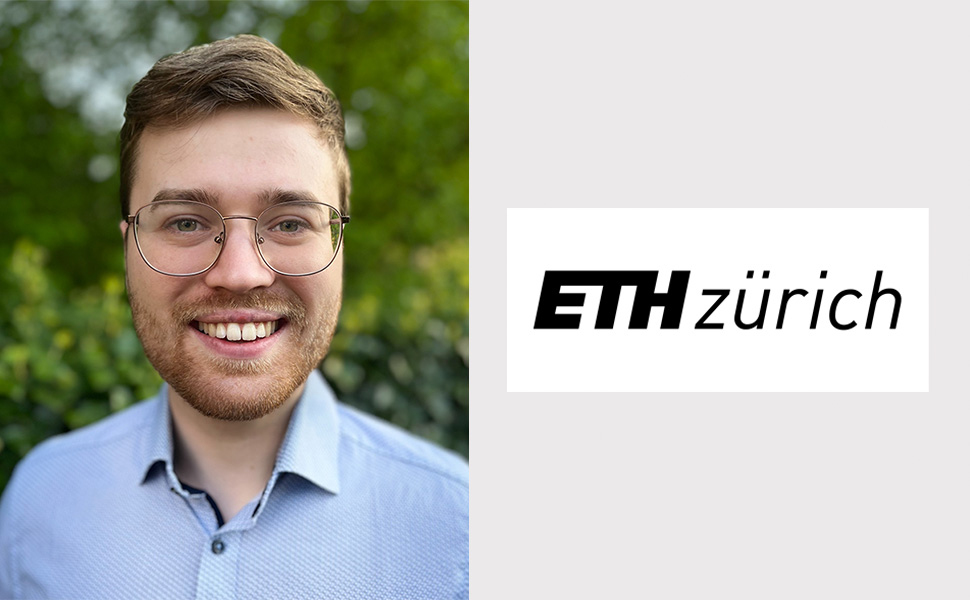
James King, a recent graduate from ETH Zürich,
joins our group as a Ph.D. student.
Welcome to the team, James!
[Meet the team]
Congratulations to Bálint Kaszás on receiving a Postdoctoral Fellowship at the Center for Turbulence Research at Stanford University!

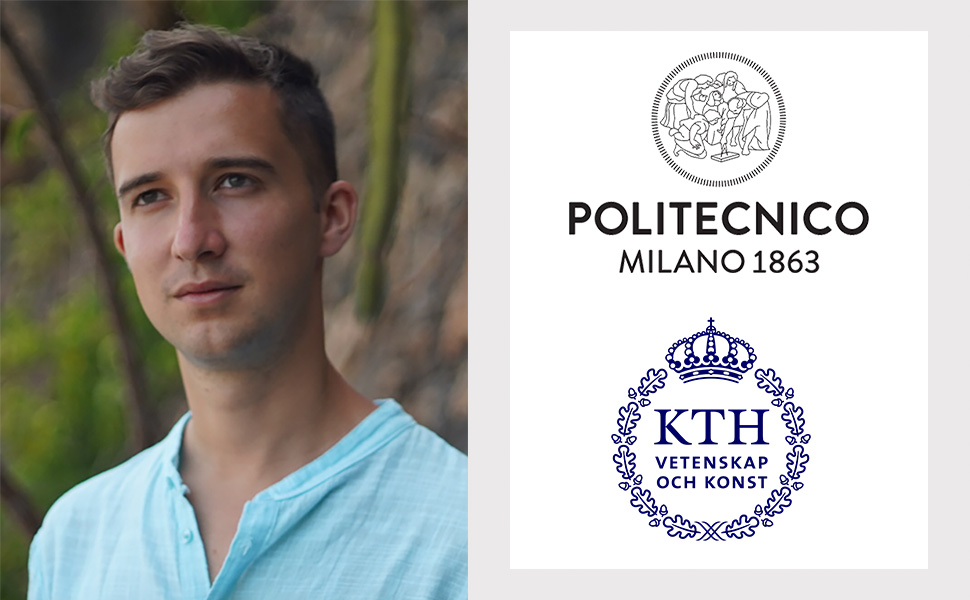
Gianluca Mariani, a recent graduate from Politecnico di Milano & Kungliga Tekniska högskolan (KTH),
joins our group as a Ph.D. student.
Welcome to the team, Gianluca!
[Meet the team]
George Haller receives the 2025 Lyapunov Award of the American Society of Mechanical Engineers (ASME) for life-long contributions to the field of nonlinear dynamics.
[Lyapunov Award]

Welcome to the team, Professor Franck!
[Meet the team]

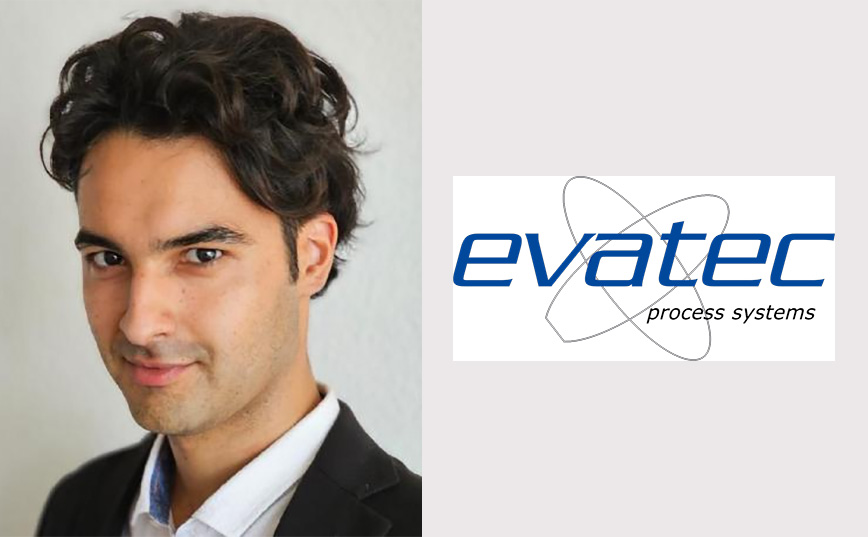
Congratulations to Alex Encinas Bartos on defending his Ph.D. thesis on "Data-driven identification of coherent structures in turbulent flows: From Navier-Stokes to magnetohydrodynamics" and his new position as Project Leader Software Engineering at Evatec AG.
Bálint Kaszás receives the ETH medal for his outstanding doctoral thesis. Congratulations to Bálint!
[ETH medals 2024]

Xaver Huber, a recent graduate from Technical University of Munich
, joins our group as a Ph.D. student.
Welcome to the team, Xaver!
[Meet the team]

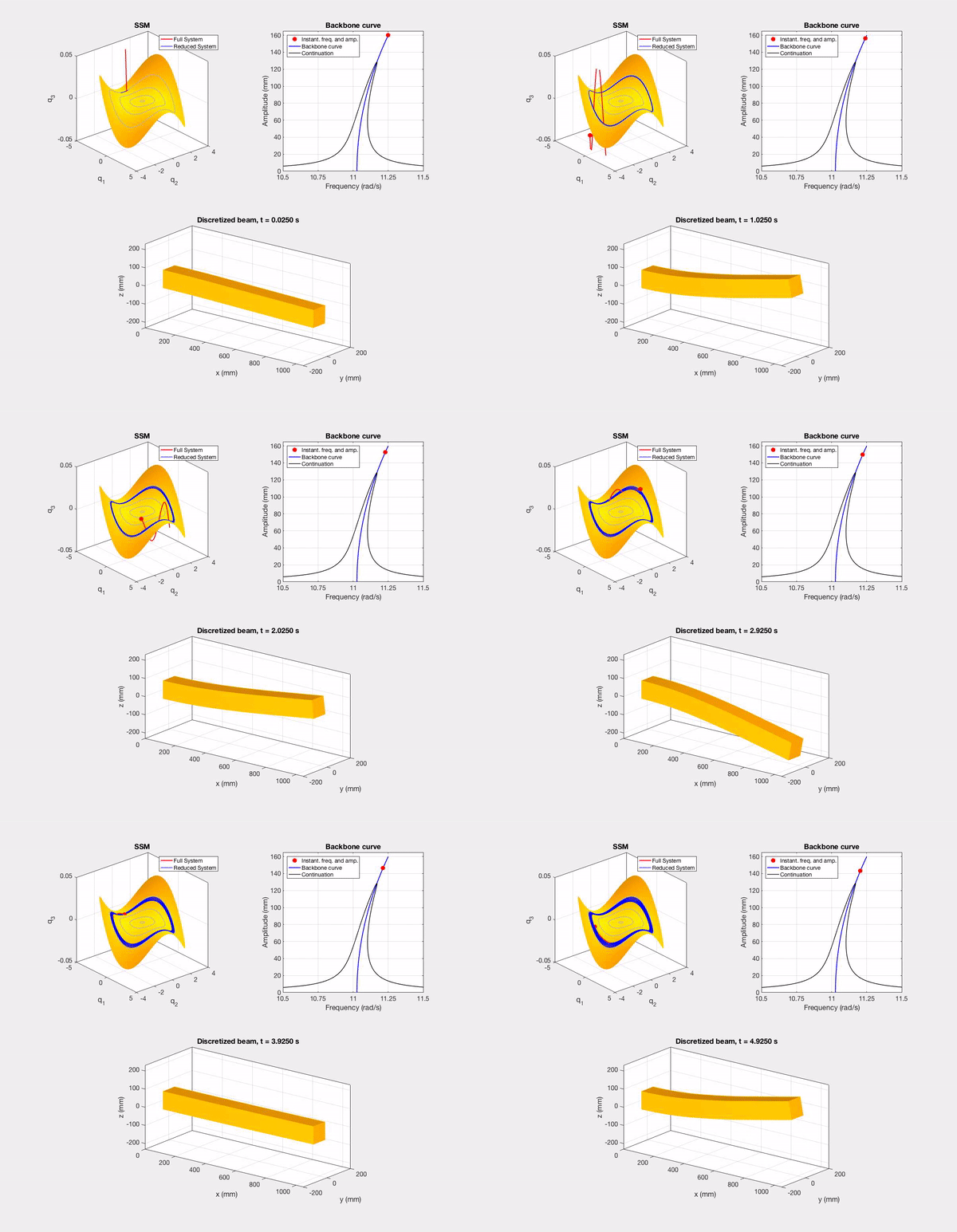
SSMTool information website is now online for the equation-based computation of reduced models on spectral submanifolds.
Courtesy of Shobhit Jain, Mingwu Li and Thomas Thurnher.
[SSMTool information website]

Alice Marraffa, a recent graduate from ETH Zurich and University of Zurich
, joins our group as a Ph.D. student.
Welcome to the team, Alice!
[Meet the team]

Congratulations to Joar Axås on defending his Ph.D. thesis on "Data-driven modeling of mechanical systems on spectral submanifolds in theory and practice" and his new position as Systems & Control Engineer at Verity.

Giacomo Abbasciano, a recent graduate from Politecnico di Milano
, joins our group as a Ph.D. student.
Welcome to the team, Giacomo!
[Meet the team]

Congratulations to Roshan S. Kaundinya for placing 2nd in the competition for the 2024 ENOC Young Investigator Award with his presentation on "Adiabatic spectral submanifolds in data-driven modeling and control".

Congratulations to our former group member Thomas Breunung for his appointment as Assistant Professor at the University of Wisconsin, Madison!
[News Page, University of Wisconsin]

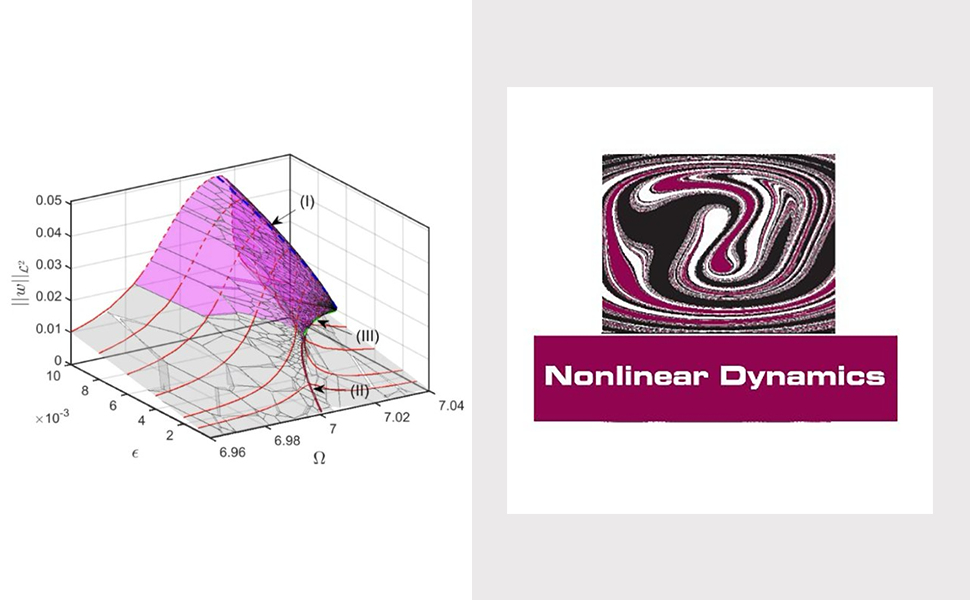
Our new article on the fast computation and characterization of forced response surfaces via spectral submanifolds
has been classified as Editor’s Choice in Nonlinear Dynamics.
[Full article NODY]
Dedicated Focus on Fluids article by leading expert, Peter Schmid, reviews recent work by Bálint Kaszás on reduced-order modeling of transition to turbulence.
[Full article JFM]
George Haller receives the 2023 Stanley Corrsin Award of the American Physical Society (APS).
[View article APS]
George Haller has been invited to give a plenary lecture at the 2024
Annual Meeting of the Society of Industrial and Applied Mathematics (SIAM).
[Annual Meeting]
Mingwu Li and George Haller receive the Best Paper Award at NODYCON 2023 for their paper "Nonlinear analysis of forced mechanical systems with internal resonance using spectral submanifolds. Part II: Bifurcation and quasi-periodic response", Published in Nonlinear Dynamics Vol. 110, 1045–1080 (2022). Congratulations!
[View Paper]
George Haller invited to serve a six year term on the European Nonlinear Oscillations Conference (ENOC) Committee of the European Mechanics Society.
Aihui Liu, a recent graduate from ETH Zürich
, joins our group as a Ph.D. student.
Welcome to the team, Aihui!
[Meet the team]
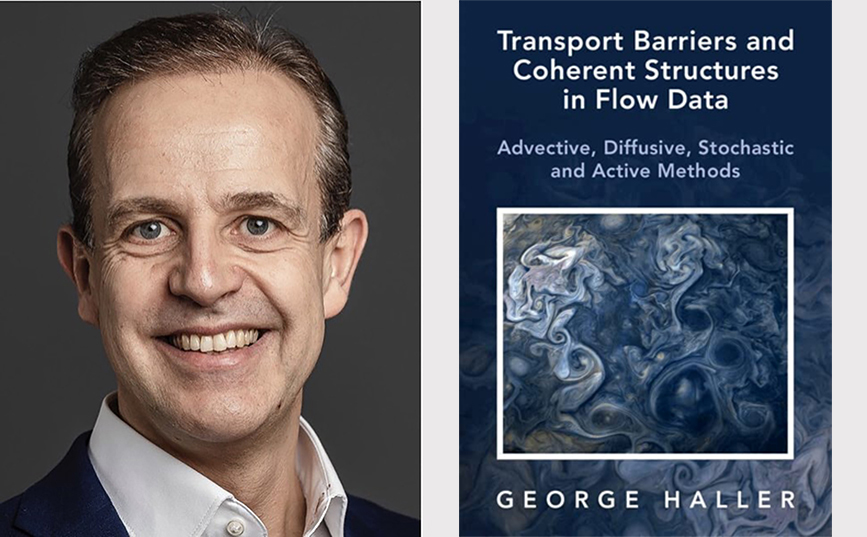
George Haller’s new book on Transport Barriers and Coherent Structures (Cambridge University Press) is now available in both print and e-book format.
[Book on www.cambridge.org]
Congratulations to Mingwu Li for receiving the best oral presentation award for a mini tutorial on SSMTool at the 6th international conference on dynamics, vibration and control in Shanghai!
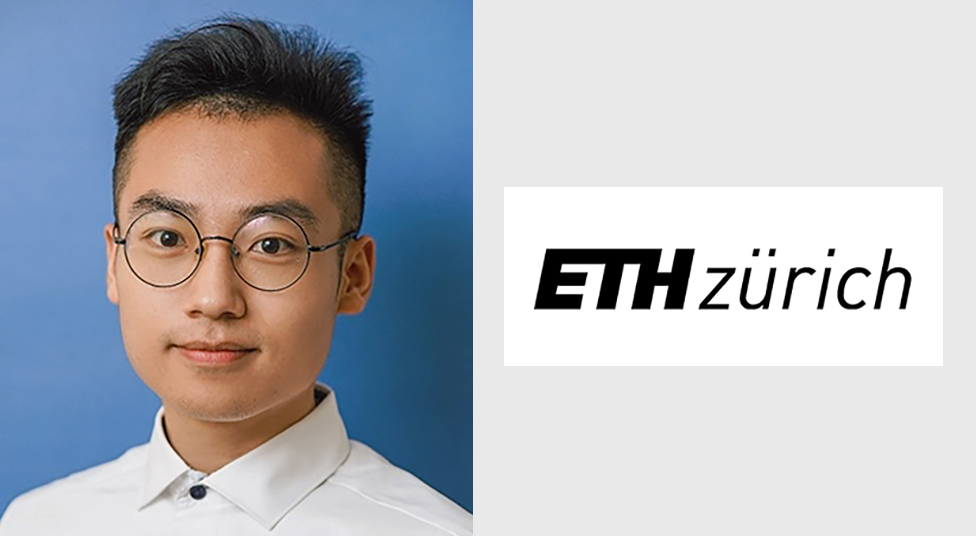
Zhenwei Xu, a recent graduate from ETH Zürich
, joins our group as a Ph.D. student.
Welcome to the team, Zhenwei!
[Meet the team]
Prof. Daniel Rixen from the Technical University of Munich
joins our group as a Visiting Professor.
Welcome to the team, Professor Rixen!
[Meet the team]

Congratulations to Mingwu Li on his new position as Tenure-track Assistant Professor at Southern University of Science and Technology (SUSTech), China.
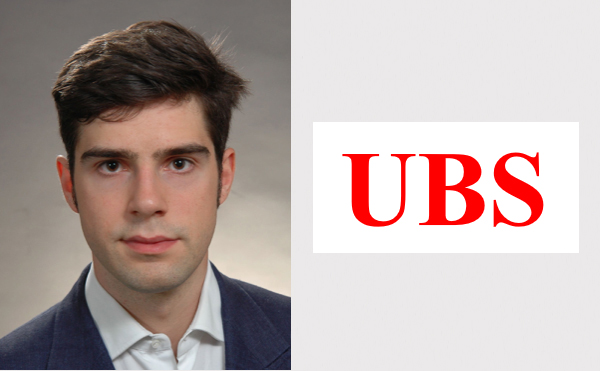
Congratulations to Mattia Cenedese on his new position as AI & Compliance Model Validation Quantitative Analyst at UBS.
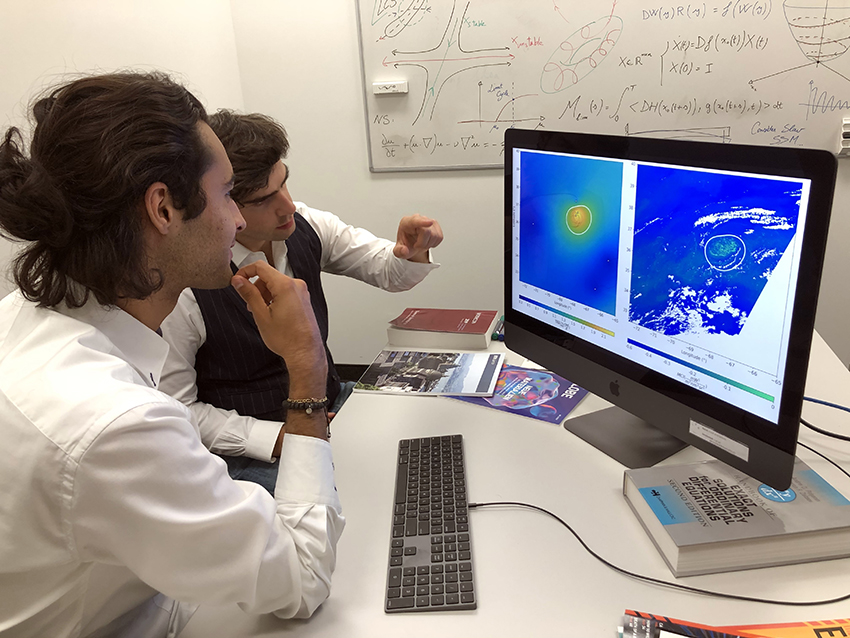
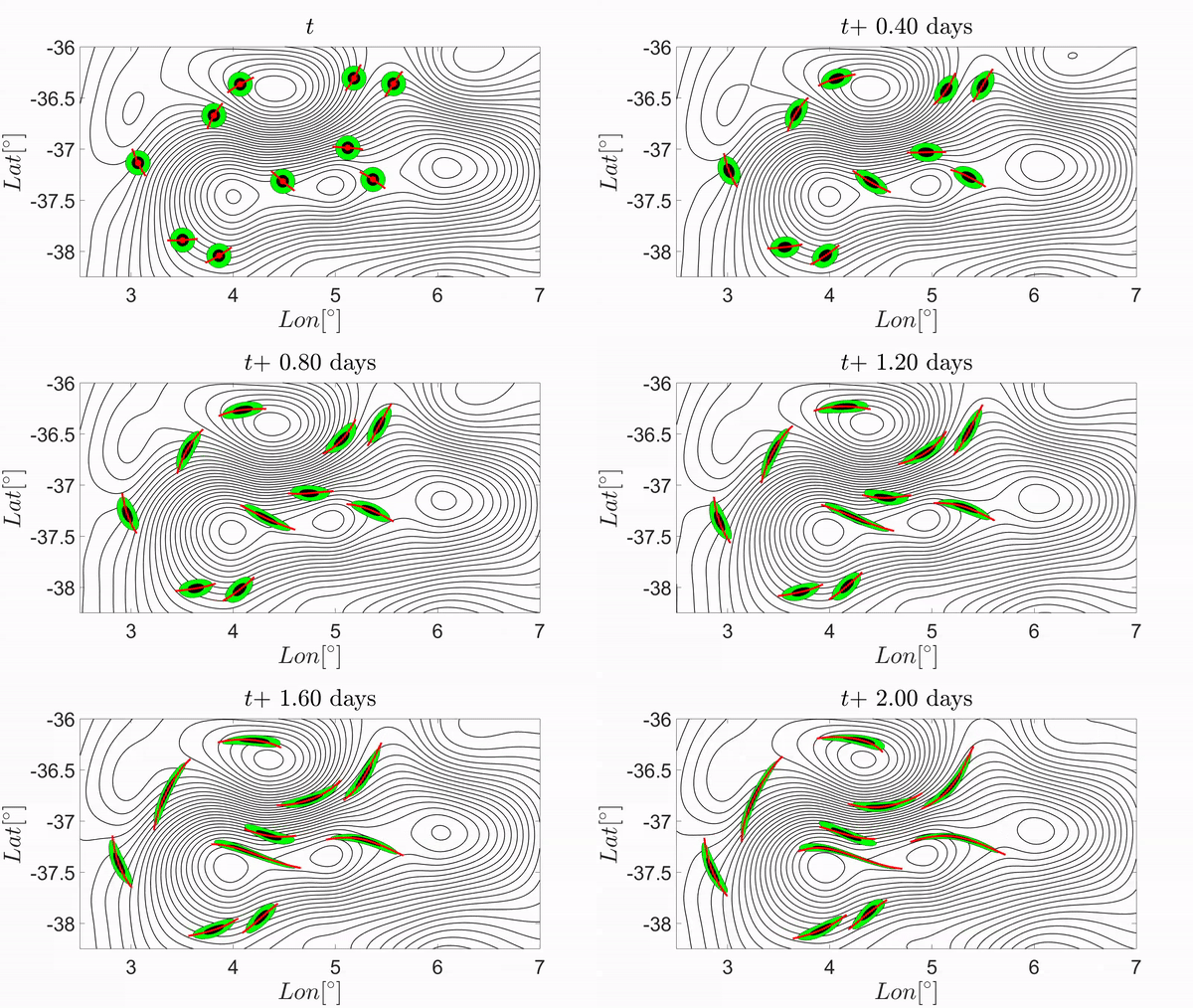
Our new article quasi-objective eddy visualization from sparse drifter data has been selected as Editor’s pick in the November issue of Chaos. See also the additional press release and our summary on youtube.
[Article]
[Press release]
[Summary]
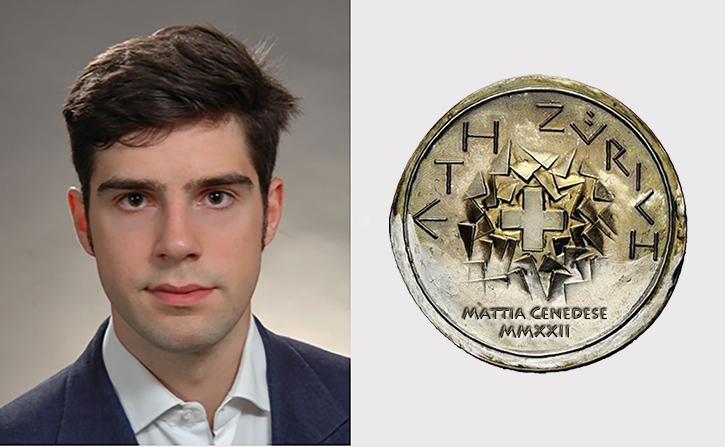
Mattia Cenedese receives the ETH medal for his outstanding doctoral thesis. Congratulations to Mattia!
[View]
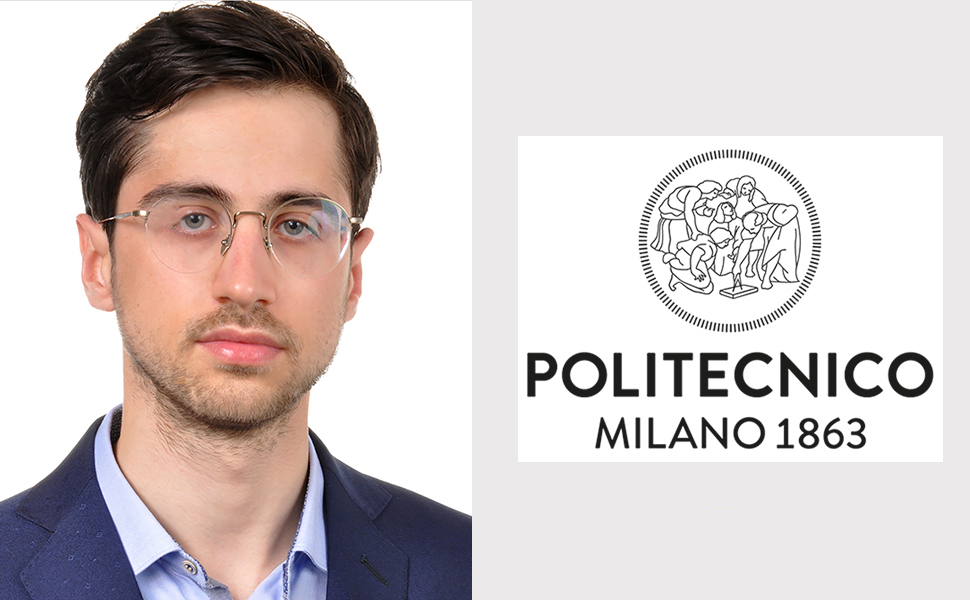
Alexander Saccani, a recent graduate from the Politecnico di Milano, joins our group as Ph.D. student.
Welcome to the team, Alexander!
[Meet the team]
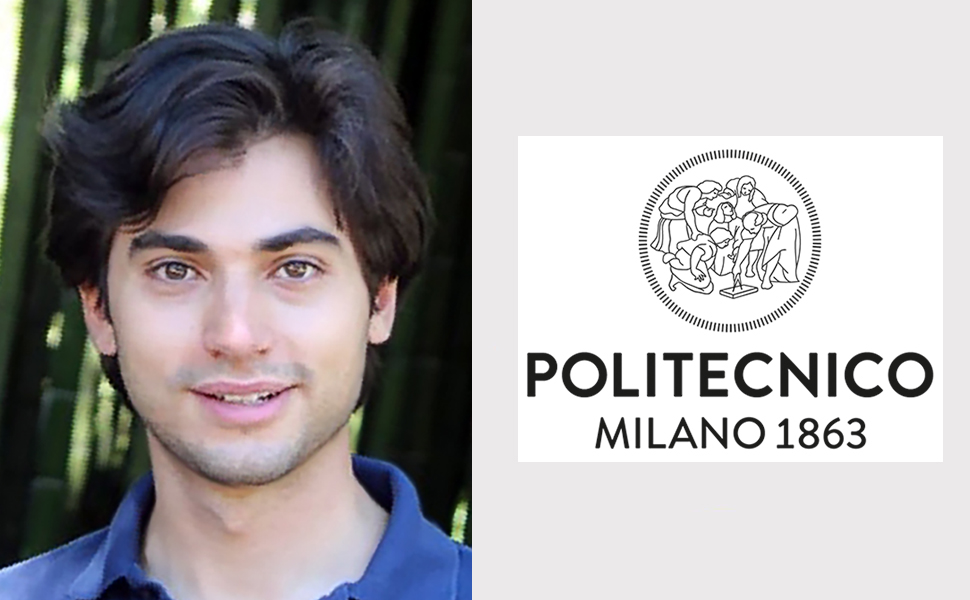
Leonardo Bettini, a recent graduate from the Politecnico di Milano & Politecnico di Torino, joins our group as Ph.D. student.
Welcome to the team, Leonardo!
[Meet the team]
Ehsan Naghizadeh, a recent graduate from the Middle East Technical University, joins our group as Ph.D. student.
Welcome to the team, Ehsan!
[Meet the team]
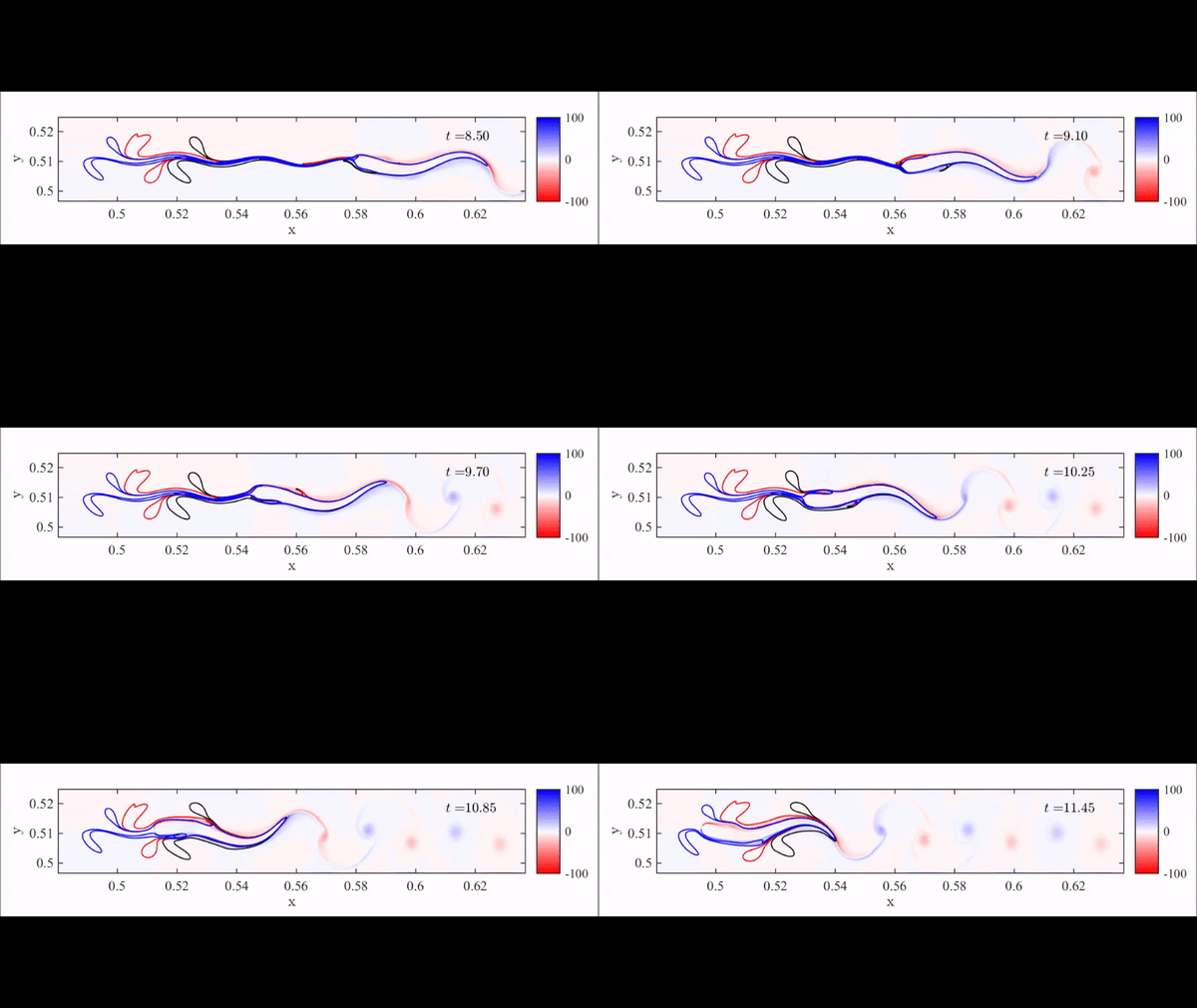
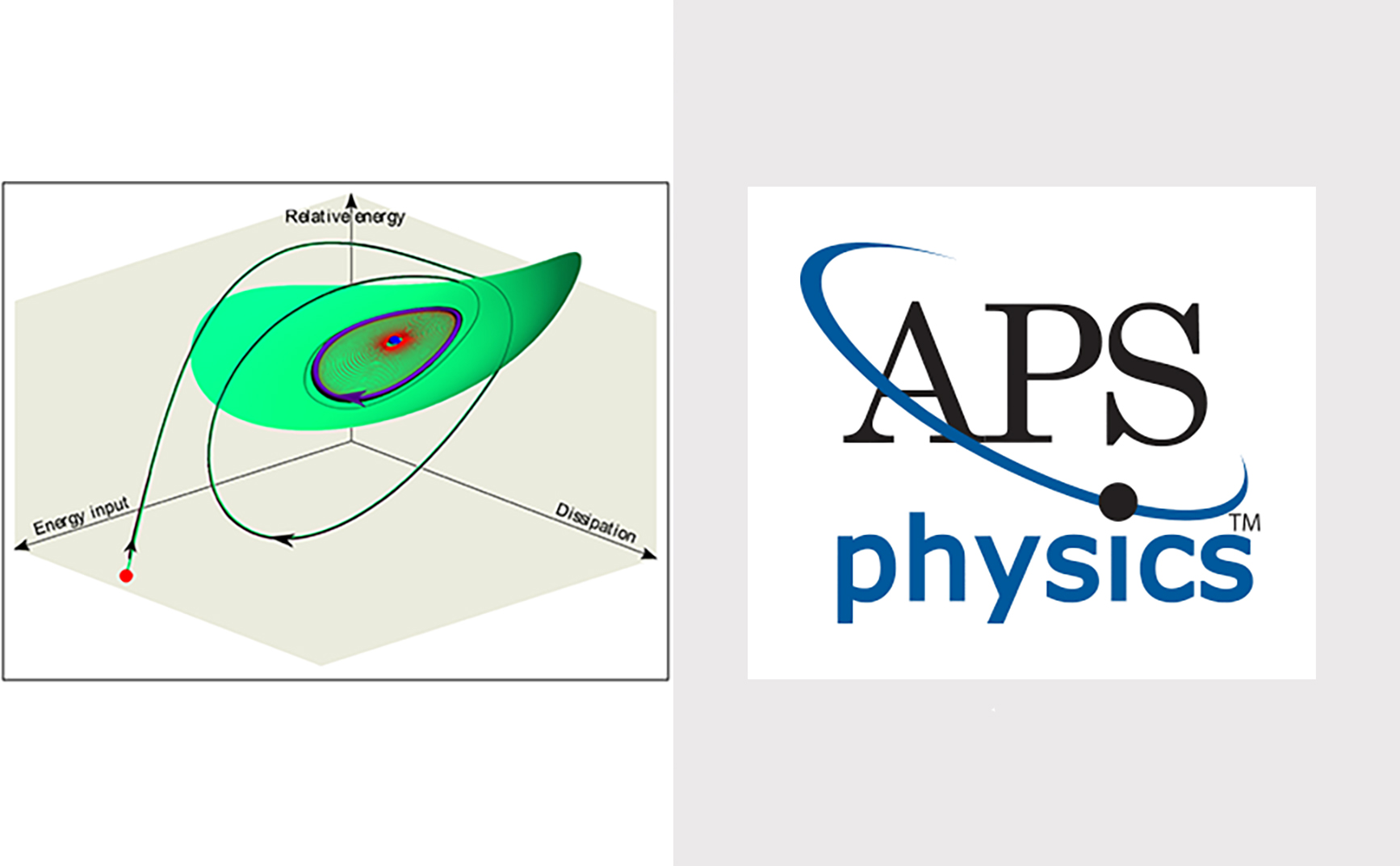
Our paper on dynamics-based machine learning of reduced-order models for transitions in Couette flows has just appeared in Physical Review Fluids.
[Link]
Roshan S. Kaundinya, a recent graduate from the Indian Institute of Science Education and Research, joins our group as Ph.D. student.
Welcome on board, Roshan!
[Meet the team]
Shobhit Jain, a postdoc in our group, has been appointed as Assistant Professor (Tenure Track) at the Department of Applied Mathematics in the Faculty of Electrical Engineering, Mathematics and Computer Science, Delft University of Technology. [Link]
Congratulations, Shobhit!
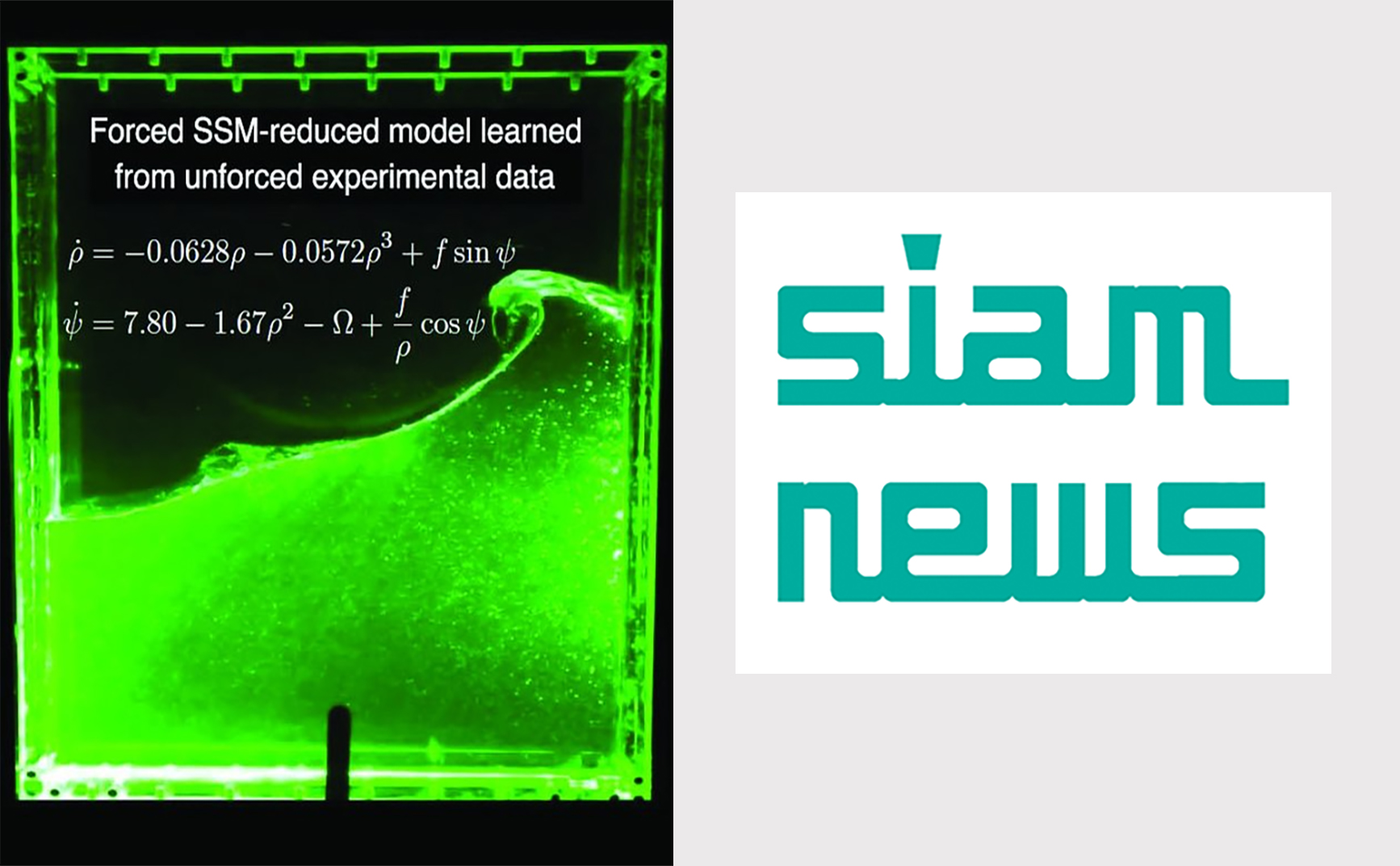
SIAM News publishes our introductory article on dynamics-based machine learning of reduced models from data on its cover page.
[Link]
Paolo Tiso invited to join the editorial board of Scientific Reports of Nature.
[Link]
Nik Aksamit, formerly a postdoc in our group, has been appointed as tenured Associate Professor in Applied Mathematics and Earth System Analysis, UiT The Arctic University of Norway. [Link]
Congratulations, Nik!
George Haller invited for a lecture tour at 10 different US universities in the prestigious Midwest Mechanics Seminar series.
[Link]
Nature Communications selects our work as a Feature Article in the area of Applied physics and mathematics.
[Link]
Congratulations to Mattia Cenedese for winning the 2021 SWICCOMAS Best Thesis Award.
[Link]
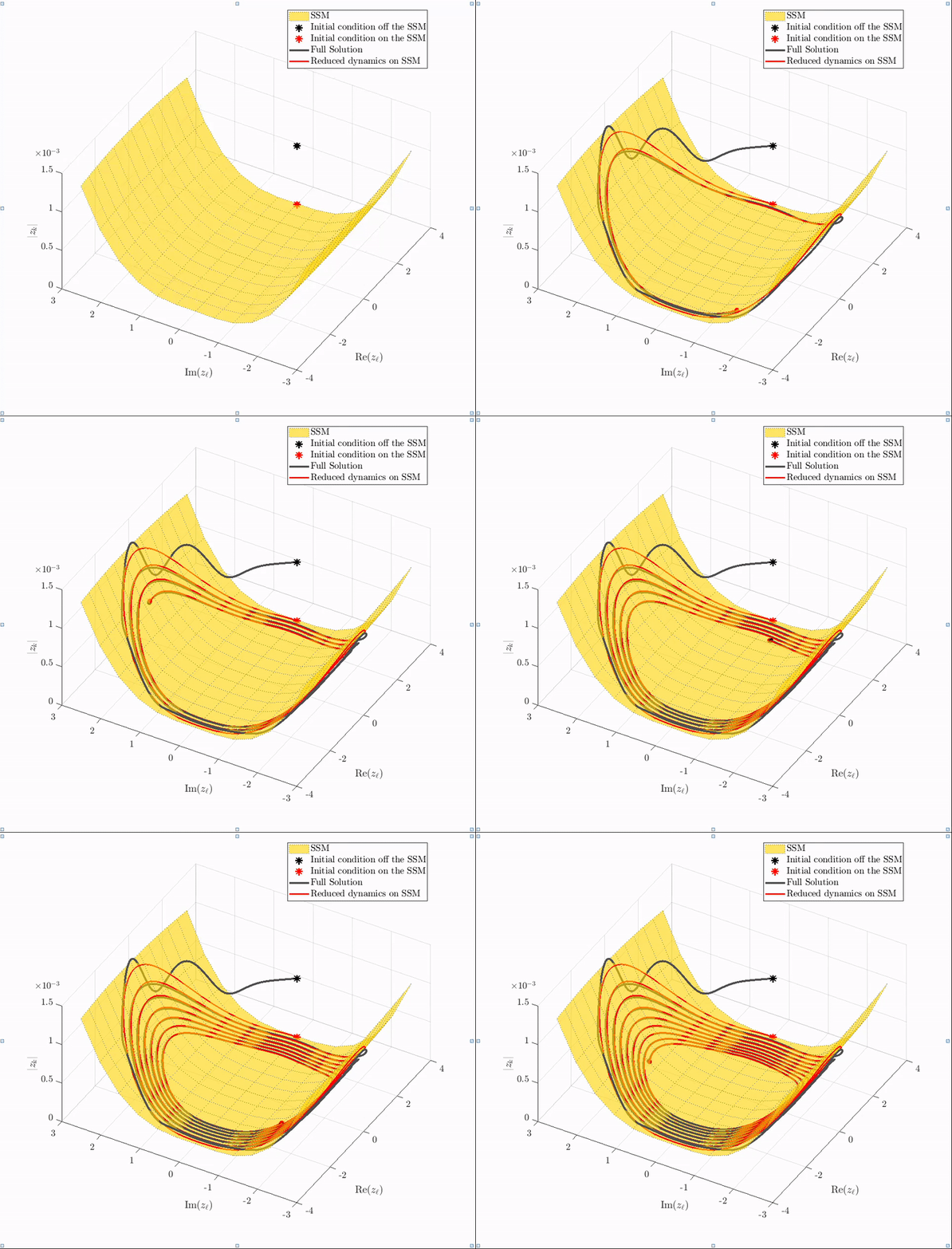
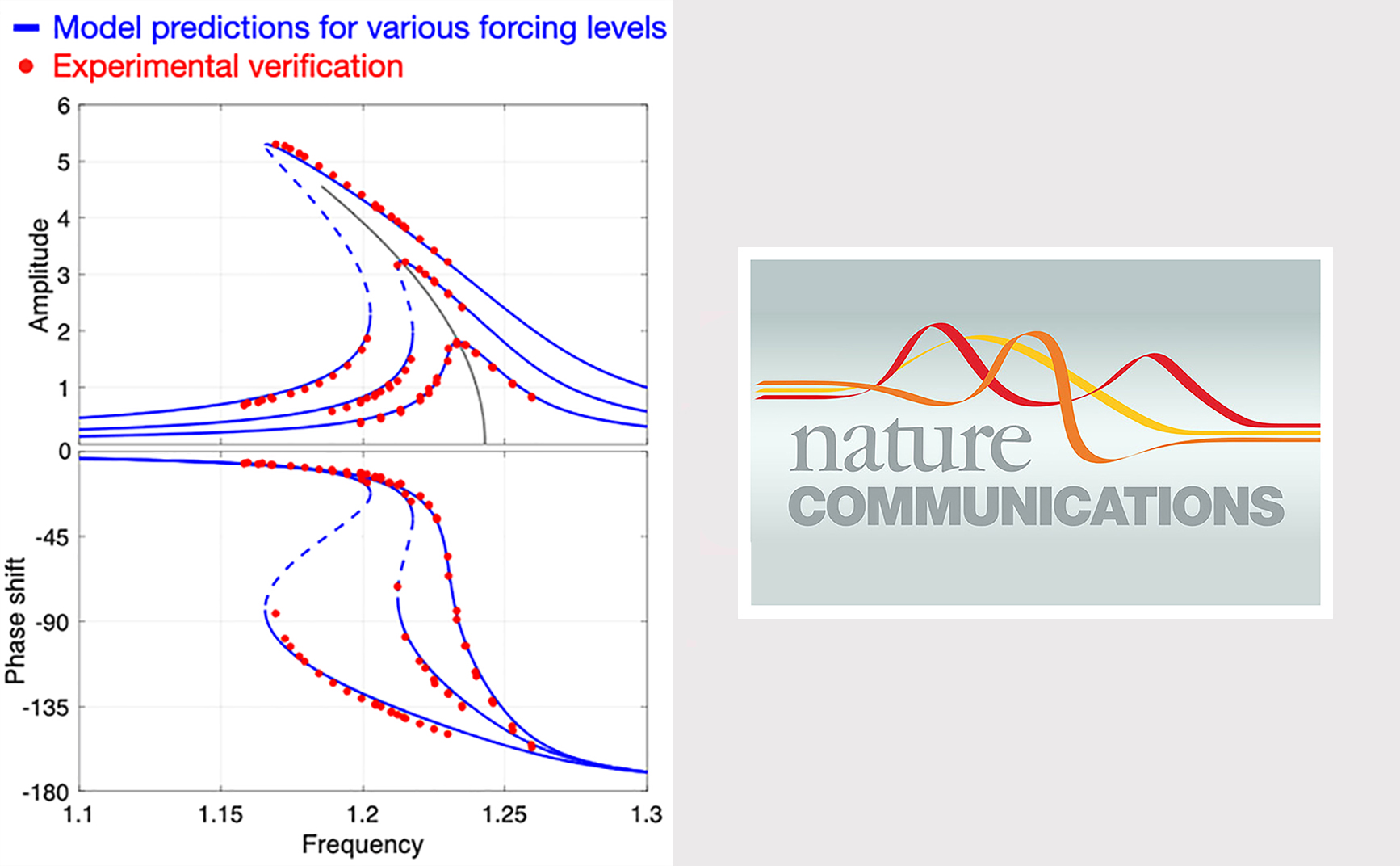
Our dynamics-based machine learning algorithm for nonlinear reduced models from data has just appeared in Nature Communications.
[Link]
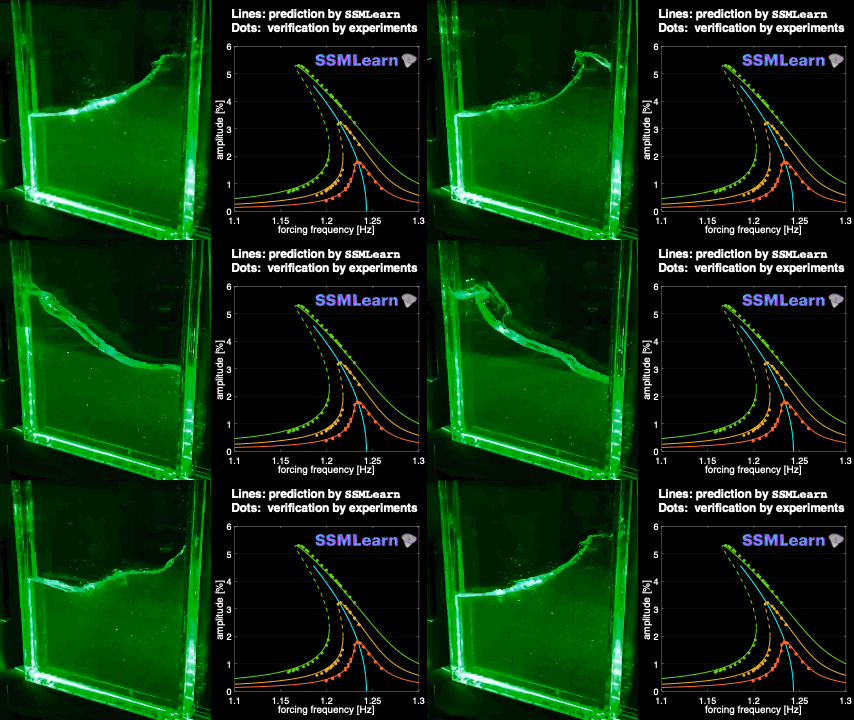
SSMLearn our new, open-source Matlab package for data-driven, nonlinear reduced order modeling is now available for download here.
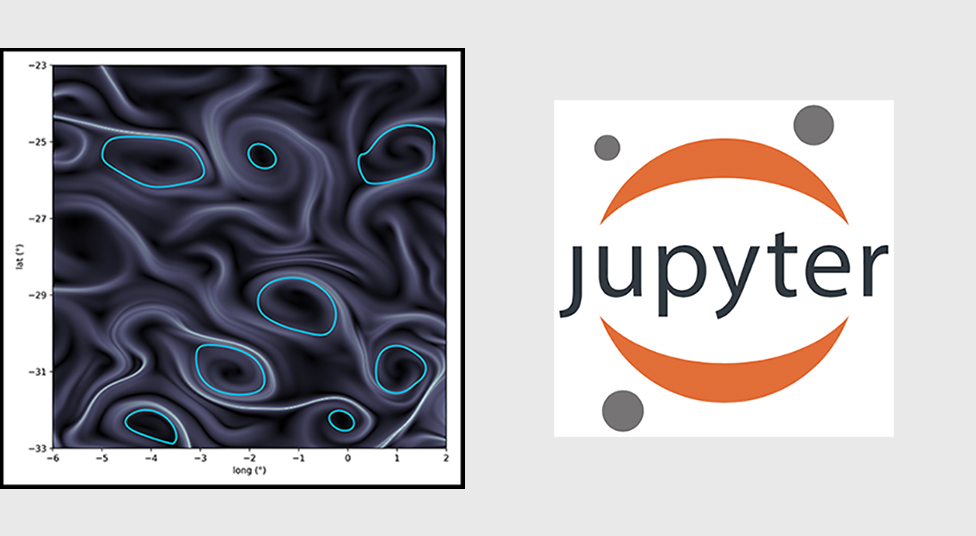
Our new Jupyter notebook collection with demos implementing various methods for transport barrier detection is now available for download here.
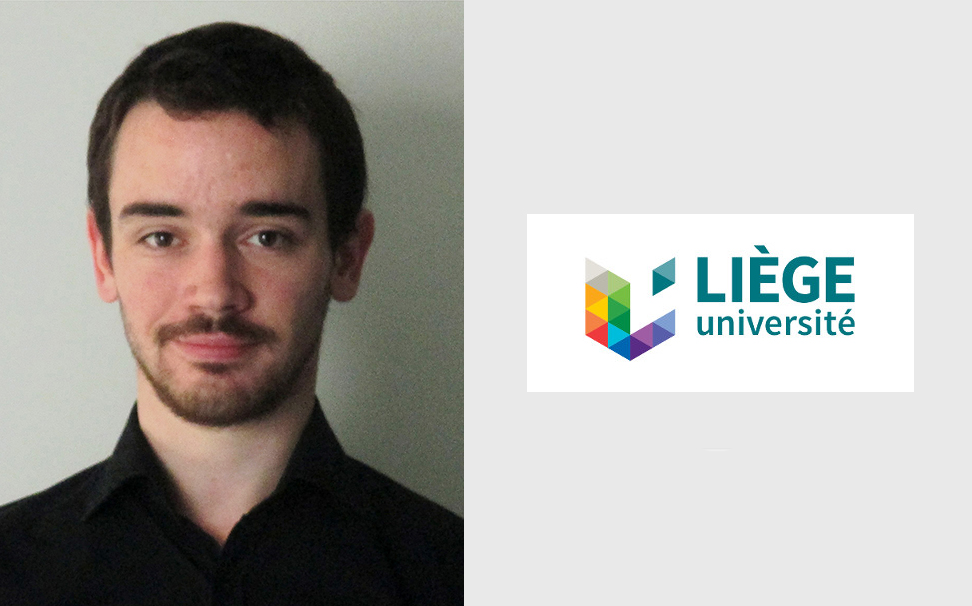
Ghislain Raze, a recent Ph.D. from the University of Liège, joins our group as a visiting research fellow.
Welcome on board, Ghislain!
[Meet the team]
George Haller elected member of the Advisory Board for the SIAM Activity Group on Dynamical Systems.
[Link]
Nature Communications selects our work as a Feature Article in the area of Catalysis.
[Link]
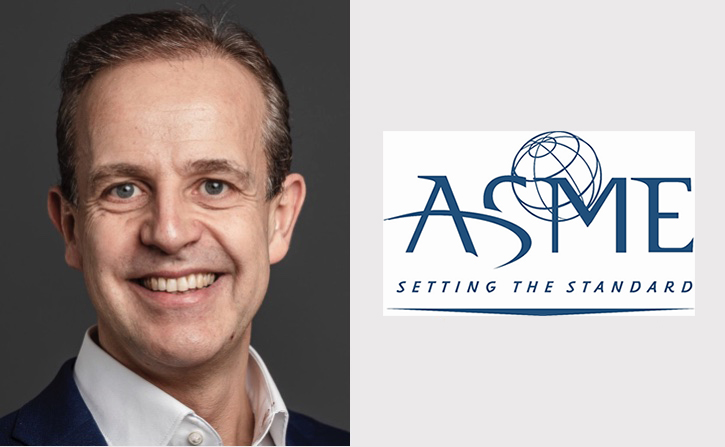
George Haller elected Fellow of the American Society of Mechanical Engineers (ASME).
[Link]
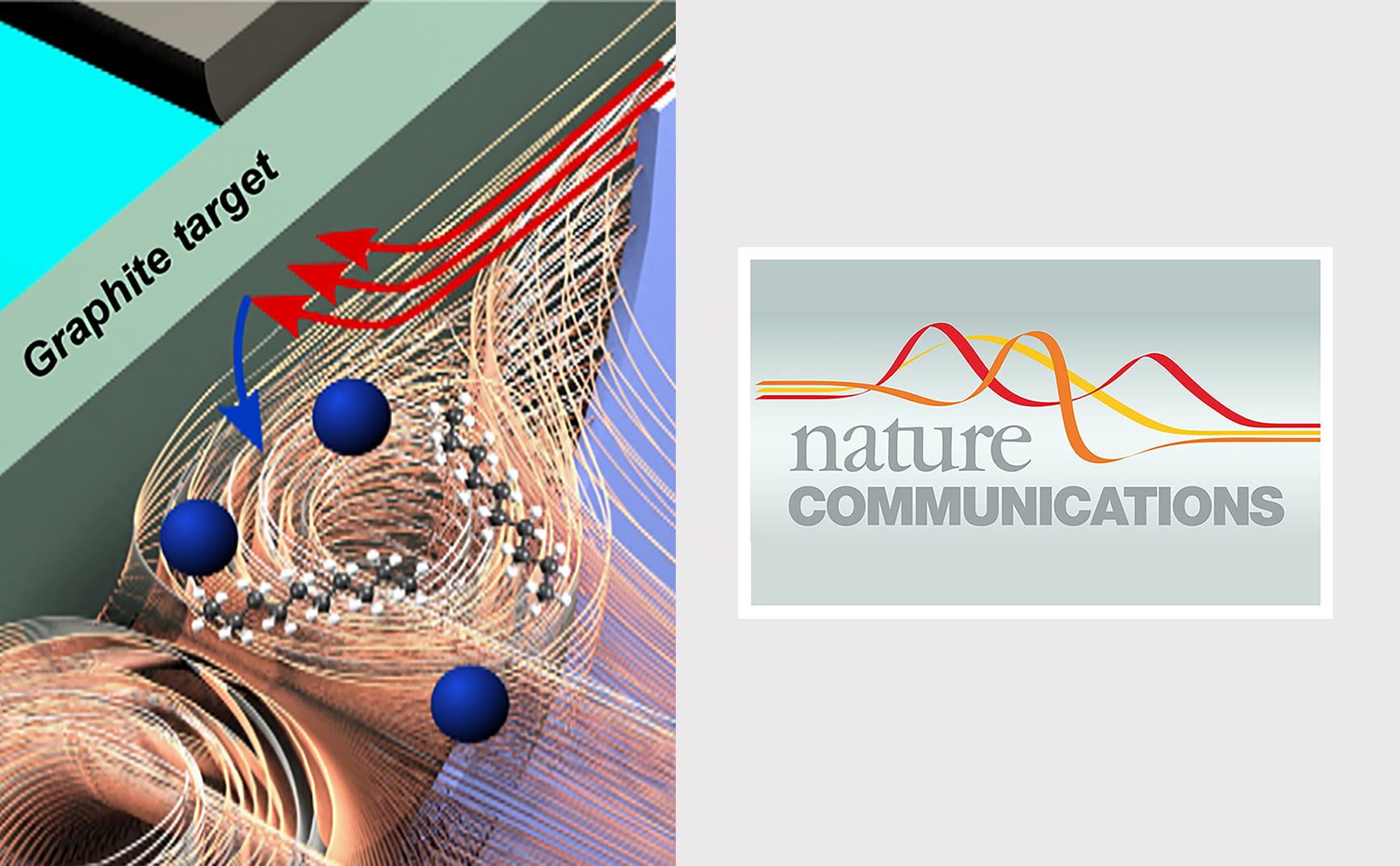
Our work on uncovering the hidden trap-and-release mechanism that enables a new form of long-chain hydrocarbon synthesis appears in Nature Communications.
[Link]
Congratulations to Mattia Cenedese for winning the 1st prize in the poster competition of the 8th International Conference on Nonlinear Vibrations, Localizattion and Energy Transfer (NNM2021)!
[Link]
Our Congratulations to Mattia Cenedese and Stergios Katsanoulis on defending their Ph.D. theses!
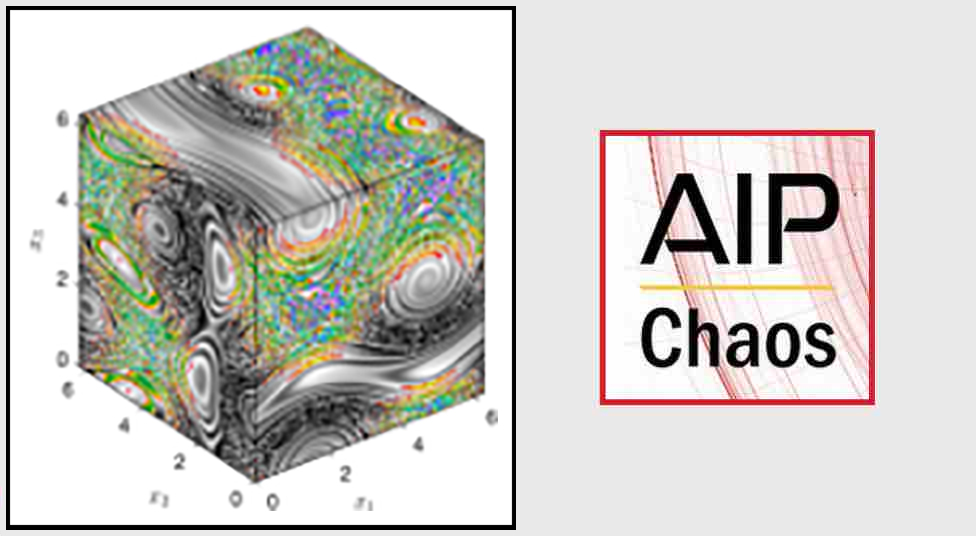
Our quasi-objective, single-trajectory coherent structure detection algorithm has been selected as Featured Article in the April issue of Chaos.
[Link]
Pre-release of SSMTool 2.0 is now available for download.
Our significantly upgraded Matlab package now computes exact reduced models, forced response and bifurcations in very high-dimensional mechanical systems, including finite-element models generated by an integrated FEM code. [Link]
Ahmed Morsy, a recent graduate from Politecnico di Milano, joins our group as Ph.D. student.
Welcome on board, Ahmed! [Meet the team]
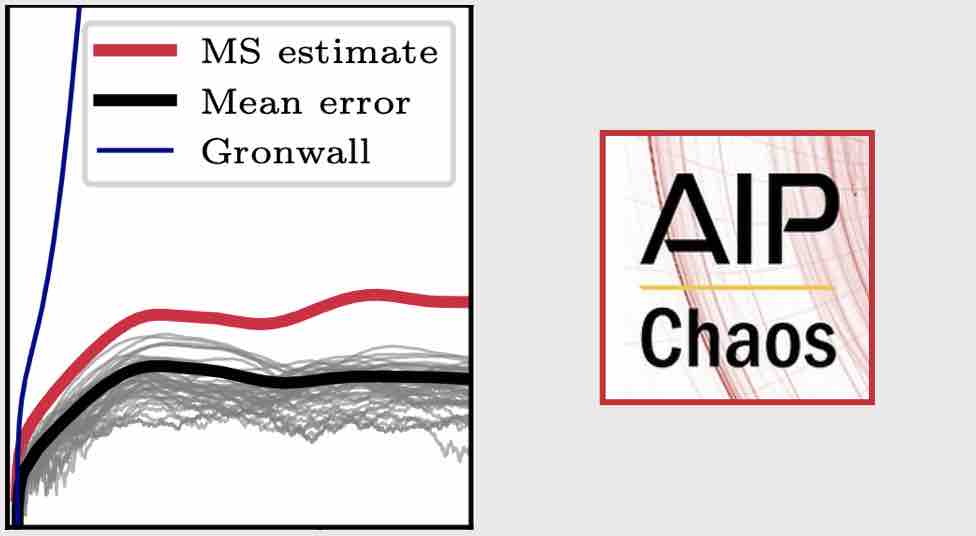
Our new, universal estimate for model-prediction errors has been selected as Editor’s Pick in the November issue of Chaos.
[Link]
Alex Pablo Encinas Bartos, a recent graduate from ETH Zürich, joins our group as Ph.D. student.
Welcome on board, Alex! [Meet the team]
Joar Axås, a recent graduate from Chalmers University of Technology, joins our group as Ph.D. student.
Welcome on board, Joar! [Meet the team]
Mingwu Li, a recent Ph.D. from the University of Illinois, Urbana-Champaign, joins our group as postdoctoral fellow.
Welcome on board, Mingwu! [Meet the team]
Mattia Serra appointed as Assistant Professor in Physics at the University of California, San Diego.
Mattia Serra, formerly a Ph.D student in our group then postdoc at Harvard, has been appointed as tenure-track Assistant Professor in Physics at UCSD. Congratulations, Mattia!
[View]
Scientific American covers the search and rescue algorithm developed in our group.
[Link]

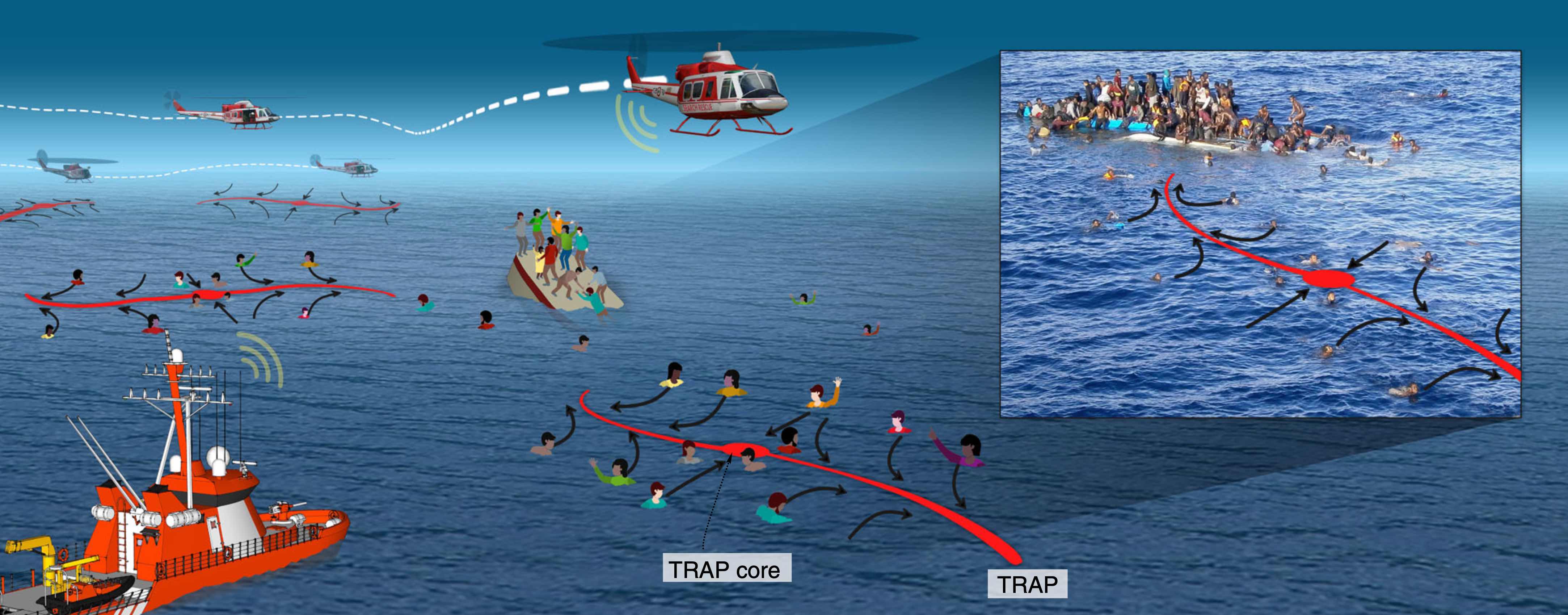
Code and data available for our TRAP identification algorithm for search and rescue operations.
[Link]
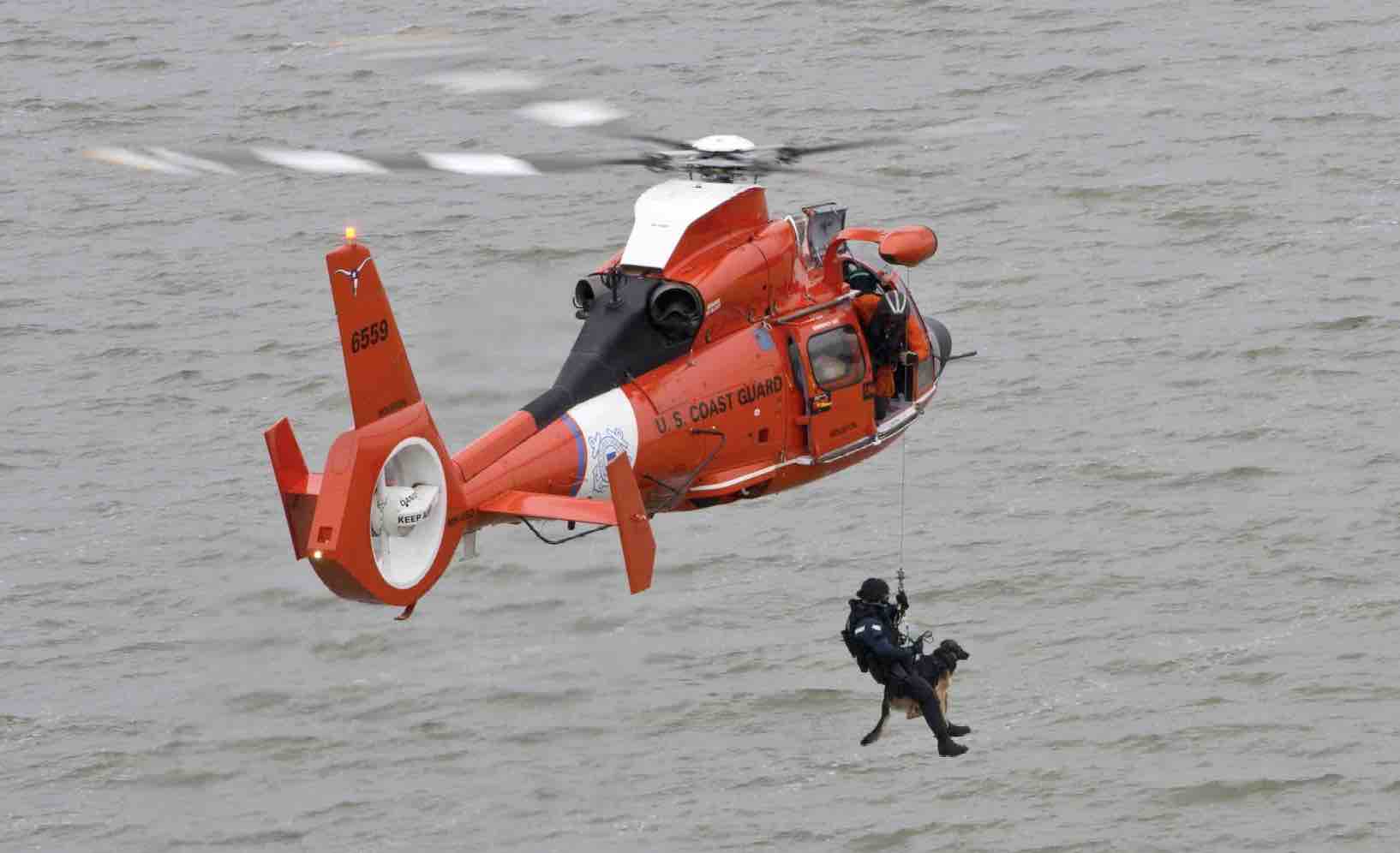
US National Science Foundation creates short film on our new search-and-rescue algorithm.
[Link]
Congratulations to Thomas Breunung on his Ph.D. defense and on his new postdoctoral position at the University of Maryland, College Park!
[View profile]
Our work on optimizing search and rescue at sea using Eulerian coherent structures appears in Nature Communications.
[Link]
George Haller elected Fellow of the Society of Industrial and Applied Mathematics (SIAM).
[Link]
George Haller invited to join the editorial advisory board for Chaos.
[Link]
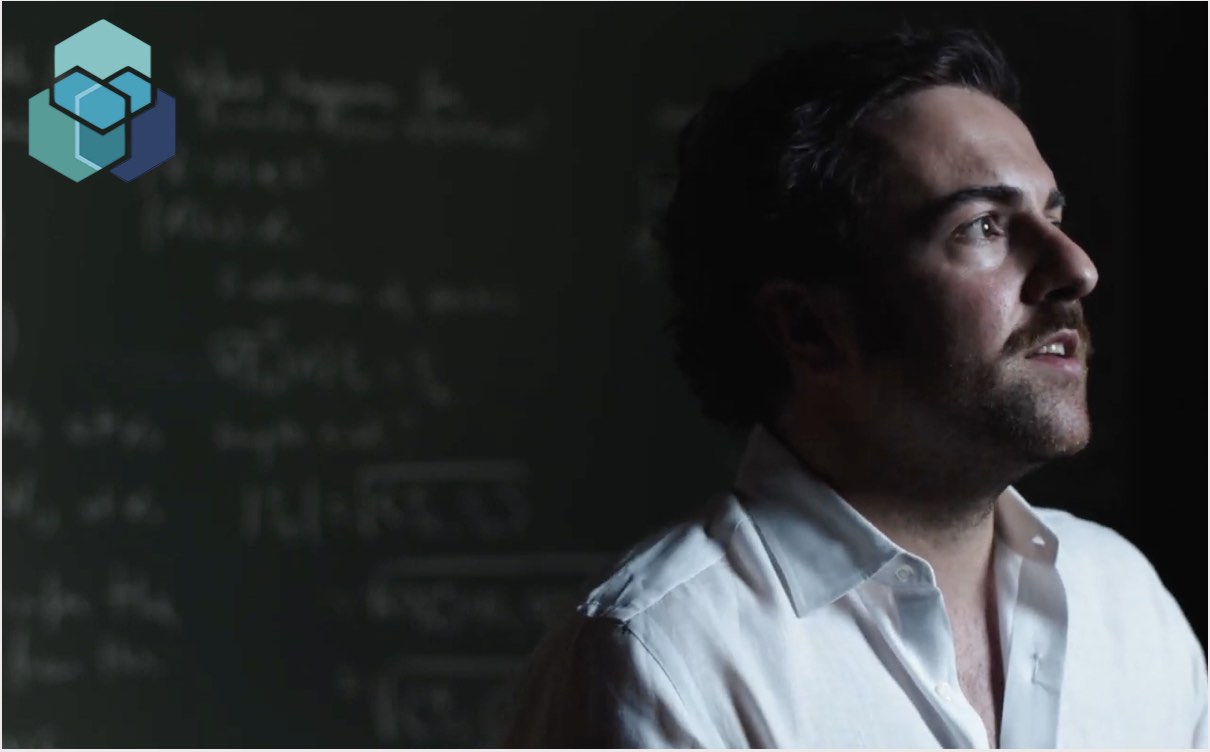
Schmidt Science Foundation creates short film on our former group member, Mattia Serra, and his research.
[Link]
George Haller invited to join the editorial board of Nonlinear Dynamics as Feature Editor.
[Link]
Book co-edited by Paolo Tiso on Substructuring in Engineeering Dynamics appears.
[Link]
George Haller has been elected Fellow of the American Physical Society (APS).
View article: [View]
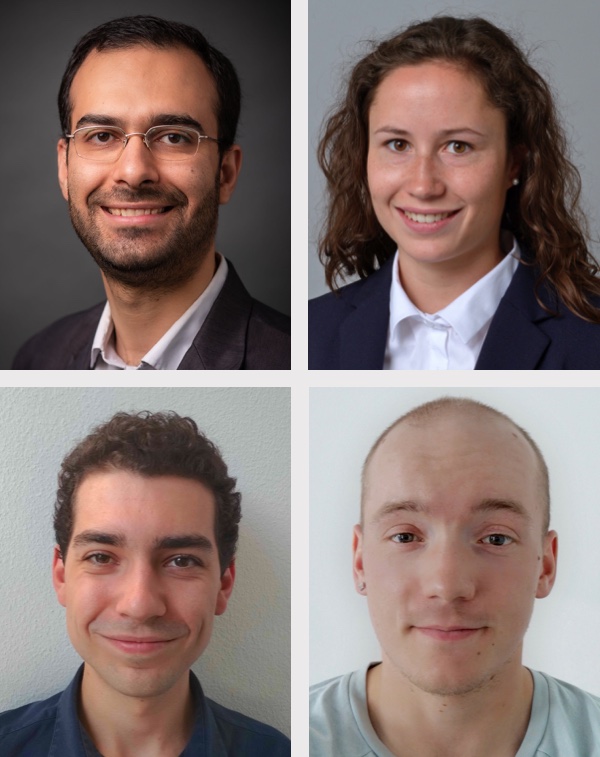
New group members: Morteza Karamooz, Mariella Kast, Bálint Kaszás and Tiemo Pedergnana.
Welcome on board, Morteza, Mariella, Bálint and Tiemo! [Meet the team]
Congratulations to Sten Ponsioen on his Ph.D. defense and new position as Simulation and Analysis Engineer at Red Bull Racing & Technology!
[View profile]
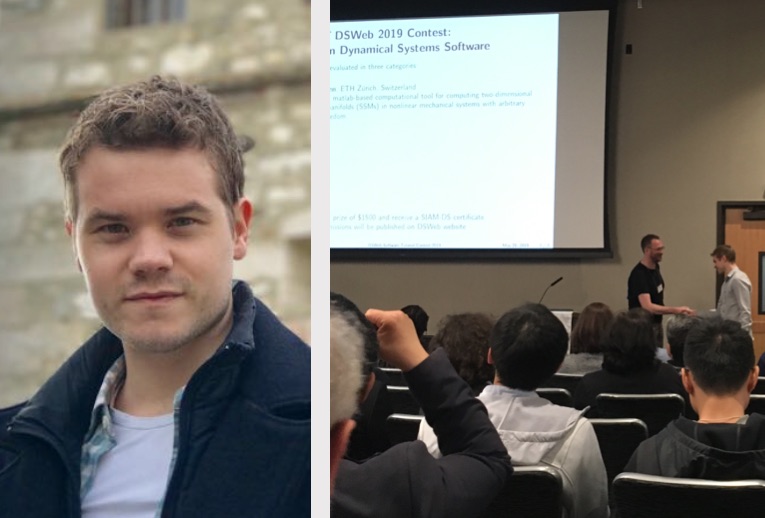
Sten Ponsioen wins the SIAM DSWeb 2019 Contest with SSMtool!
Congratulations to Sten for his success in the student category of the SIAM DSWeb 2019 Contest: Tutorials on Dynamical Systems Software.
View contest: [View]
More about SSMTool: [View]
George Haller has been elected External Member of the Hungarian Academy of Sciences.
[Link]
Tiemo Pedergnana receives ETH medal for outstanding master thesis
View article: [View]
Mohammad Farazmand appointed as Assistant Professor in Mathematics at North Carolina State University
Mohammad Farazmand, formerly a Ph.D student in our group, currently a postdoc at MIT, has been appointed as tenure-track Assistant Professor in Mathematics. Congratulations, Mohammad!
[View]
Mattia Serra receives ETH medal for outstanding doctoral thesis
View article: [View]
Paolo Tiso invited to join the editorial board of the Journal of Sound and Vibration.
[Link]
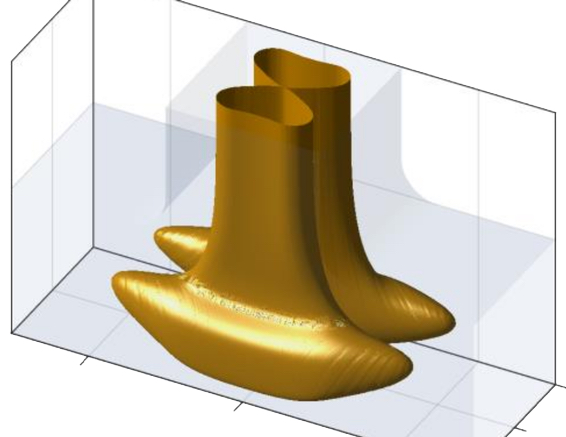
APS Focus on our research on invisible traps in pipes
View APS Focus article: [View]
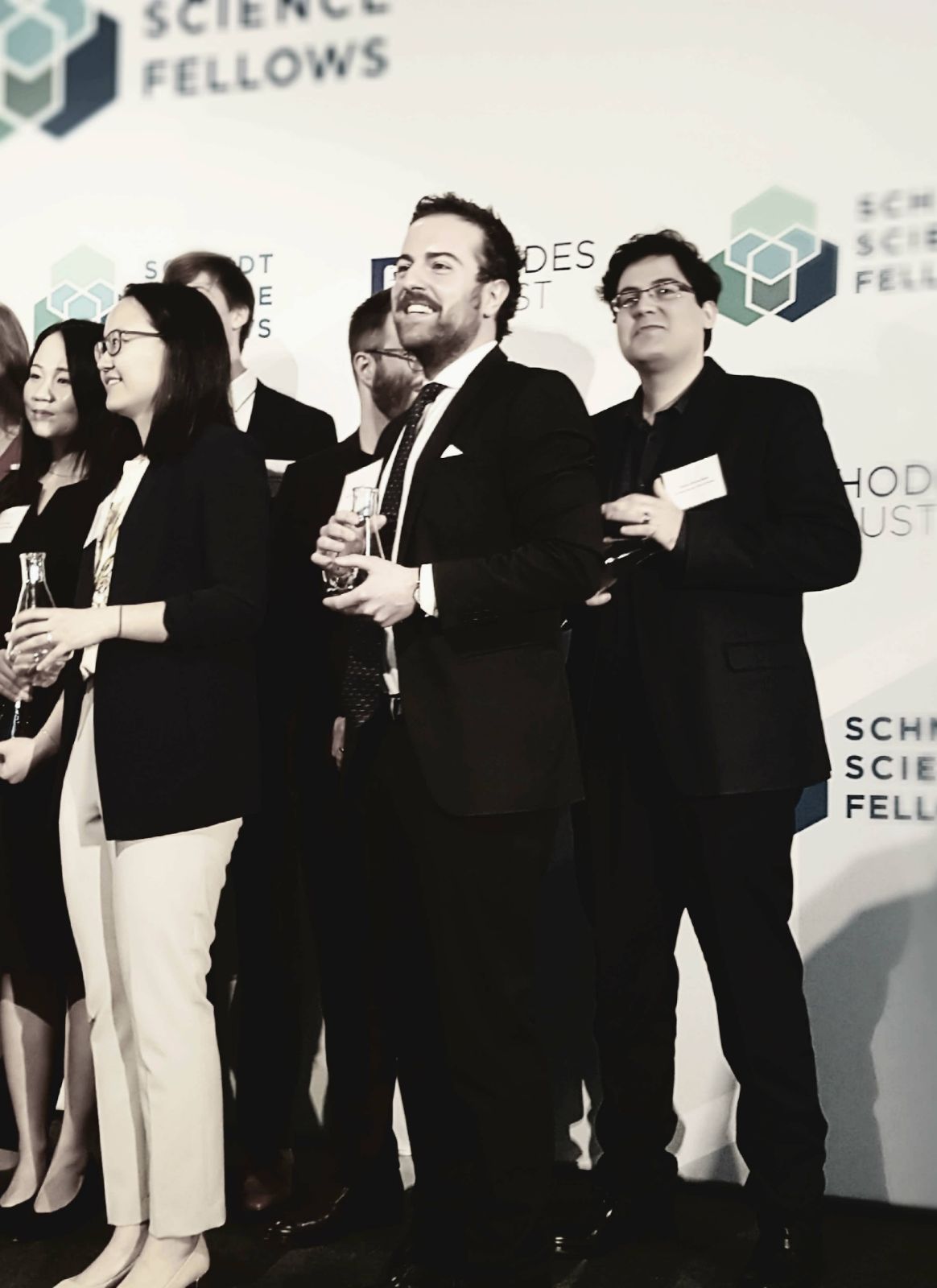
Mattia Serra receives the inaugural Schmidt Science fellowship
Congratulations to Mattia on receiving this fellowship!.
View press release in Forbes: [View]
View press release in PR Newswire: [View]
More about the Schmidt Science Fellows: [View]
David Oettinger appointed at ELCA.
Congratulations to David on his Ph.D. defense and on his new position at ELCA!.
More about ELCA: [View]
Mattia Serra appointed as postdoc at Harvard
Congratulations to Mattia on his Ph.D. defense and on his new postdoctoral position at Harvard University! [View]
New group members: Mattia Cenedese and Stergios Katsanoulis
Welcome on board, Mattia and Stergios! [Meet the team]